

Modern neural networks have a strange efficiency problem. They can contain millions or billions of parameters, yet many of those connections may contribute very little to the final prediction. Dense models activate nearly everything by…
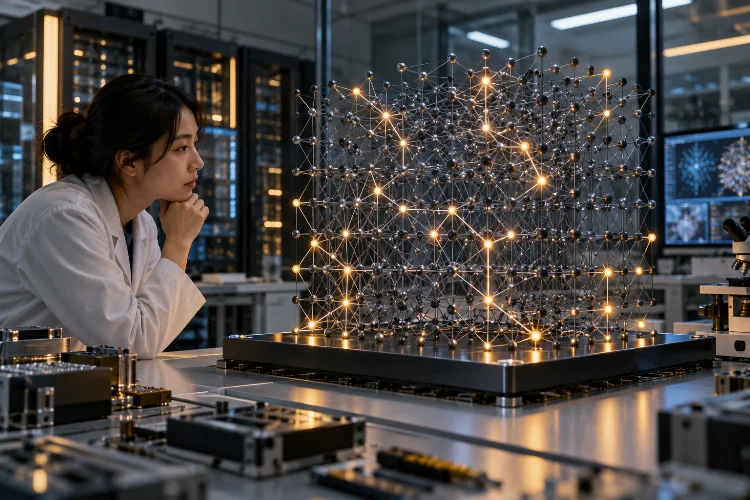
Modern neural networks have a strange efficiency problem. They can contain millions or billions of parameters, yet many of those connections may contribute very little to the final prediction. Dense models activate nearly everything by…

A few years ago, many neural networks processed information in a fairly rigid way. Recurrent models moved through sequences step by step, while convolutional networks concentrated heavily on local patterns. Both approaches worked well, but…

Making a neural network deeper does not automatically make it smarter. In theory, additional layers allow a model to learn more complicated representations. In practice, those extra layers also make training harder. Gradients can become…
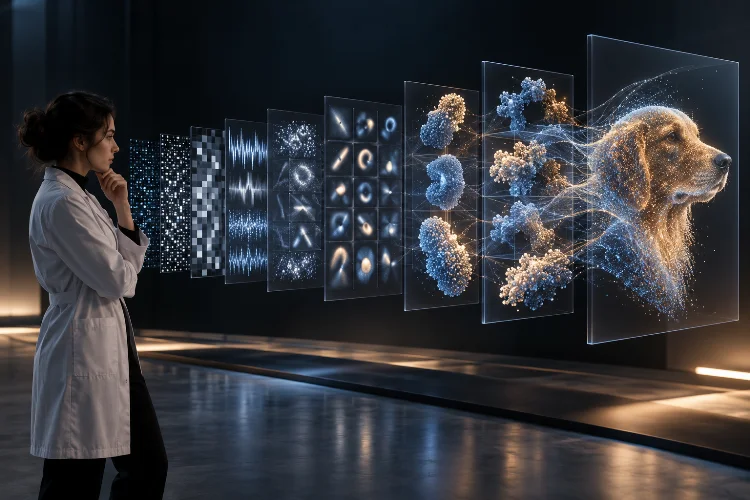
A neural network never sees the world quite the way humans do. Give it a photograph of a dog and, initially, it does not see fur, ears, paws, or even a dog. It receives arrays…

Deep learning started with models that were usually designed around one fairly specific type of information. Convolutional neural networks became dominant in computer vision, recurrent architectures handled sequences, and other specialized networks emerged for audio,…